

Imposter Syndrome: What It Is & How To Overcome It eLearning course
This Imposter Syndrome course is tailored for health and social care professionals, providing insights and strategies to overcome it. Furthermore, it aims to enhance your confidence and effectiveness in delivering quality care.
"Any moment now, they are going to realise they made a mistake hiring me. I bet they have already caught on that I am a fake."
If this sounds like your inner monologue, echoing feelings of inadequacy, you are likely experiencing imposter syndrome.
What does imposter syndrome feel like?
Imposter syndrome—also referred to as fraud syndrome or imposter experience can result in increased feelings of anxiety and depression. Moreover, this can impact an individual's performance. It is particularly common among high achievers who, despite their successes, often doubt their abilities and fear being exposed as a fraud. In addition to this, studies suggest that many people experience these feelings. Therefore, knowing that you are not alone in your feelings can help significantly.
We understand that there is no one approach to addressing and overcoming imposter syndrome, this is because each person is unique. Therefore, this can result from many factors, including social, cultural, educational, and family environments.
What is imposter syndrome training?
Imposter syndrome training course is designed to help individuals recognise, understand, and overcome imposter syndrome. In addition to this, it can offer valuable tools for individuals to bridge the gap between their self-perception and their actual competencies. Our Imposter Syndrome course aims to look at what imposter syndrome actually is and how, with small steps, you can start to deal with what can feel like a huge 'monster' on your shoulder.
We provide a space to help you create a personal plan of action to address your thoughts and feelings about imposter syndrome.

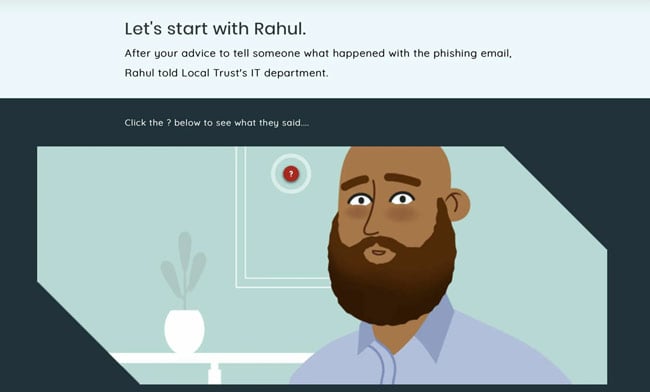
Here are example screenshots of our interactive learning in action. If you would like to see more of the course features before you subscribe, feel free to book a demo with the team, who would be delighted to show you how our online courses help support meaningful training.




As a leading eLearning platform provider, Grey Matter Learning recognises the importance of accessibility in learning. We are proud to have integrated Recite, an innovative tool that enables learners to access eLearning content more easily, regardless of their abilities. With Recite, learners can benefit from text-to-speech in over 65 languages, colour contrast adjustments, and translation of over 100 languages, to enhance their learning experience.
These tools can help to make learning more inclusive and accessible for learners with visual or hearing impairments, as well as those who speak different languages. By incorporating Recite into our website and Click eLearning platform, we are able to provide our carers with a comprehensive and accessible training solution that helps to promote learning outcomes for all learners.


Leadership

Leadership

Leadership

